History
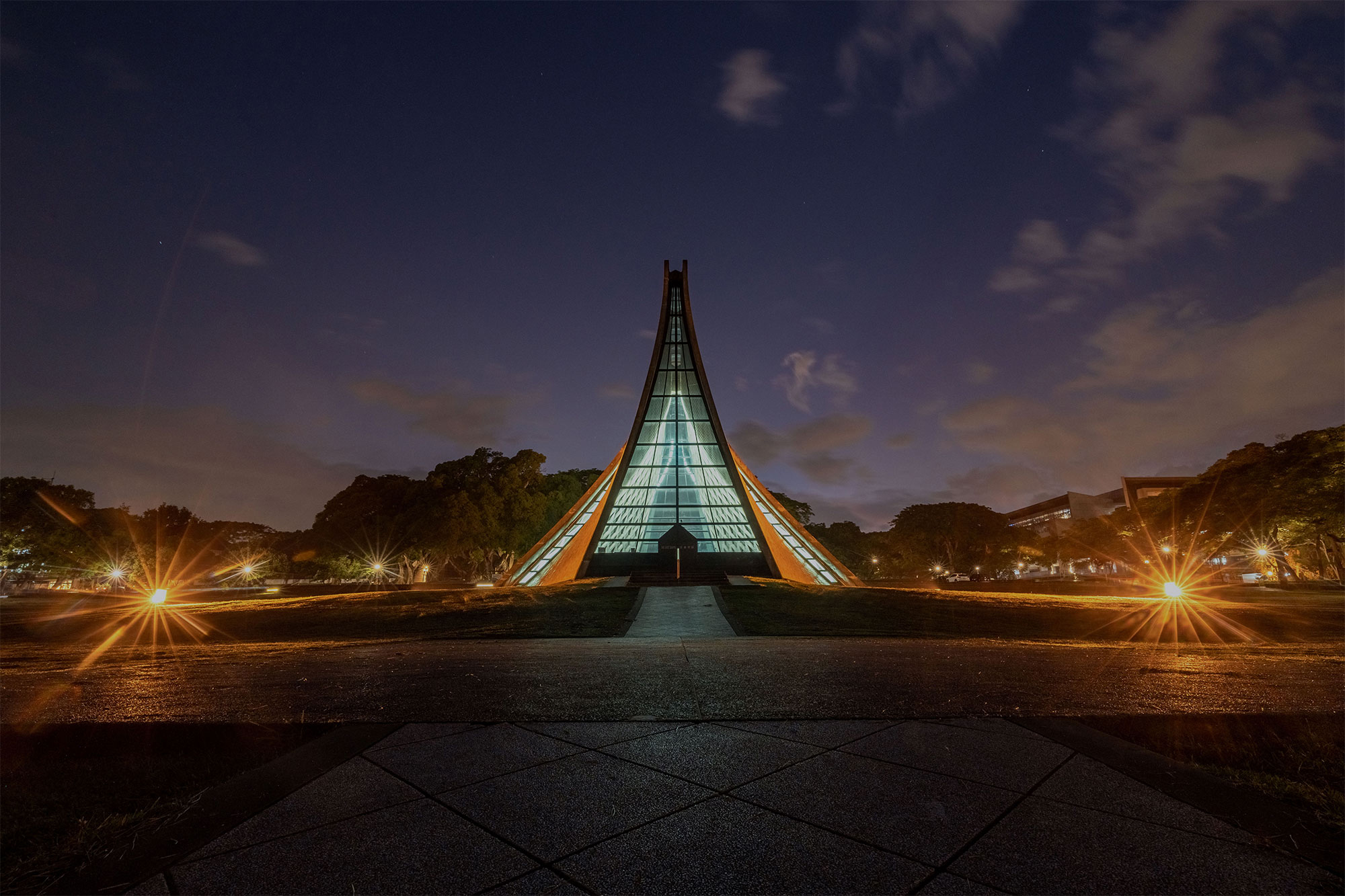
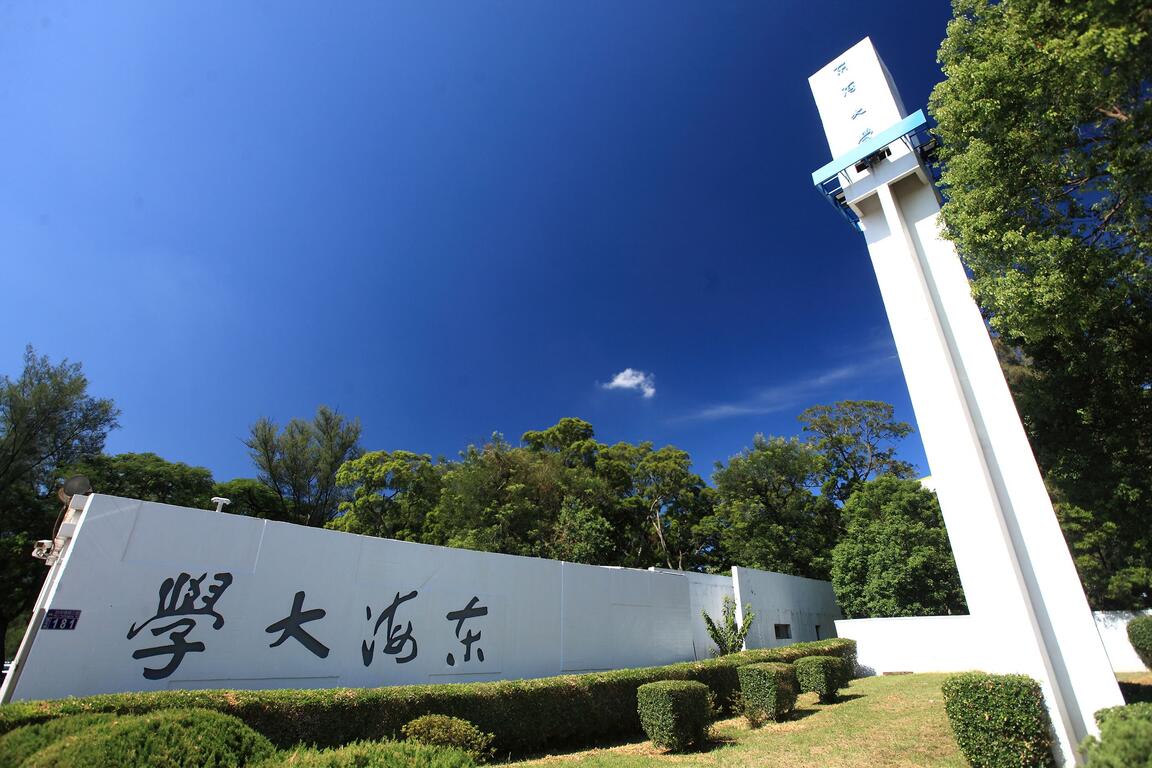
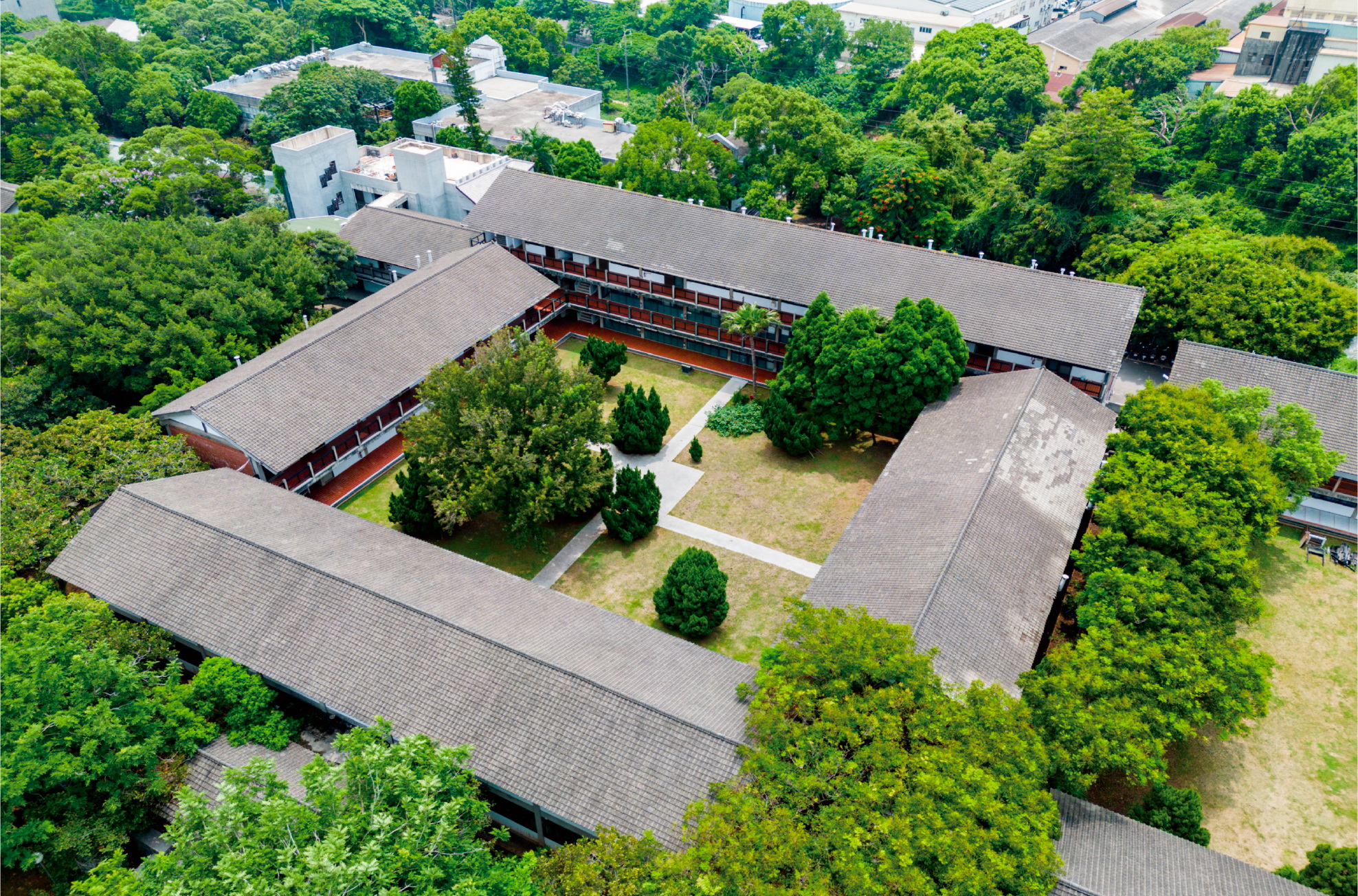
Tunghai University, established in 1955, is located on the plateau of Tatu Mountain in Taichung. Known for its beautiful and spacious campus, Tunghai is a liberal arts institution with strong academic traditions and abundant educational resources. The University comprises 9 colleges, 38 departments, 40 master’s programs, and 16 doctoral programs, serving approximately 17,000 students with the support of nearly 500 faculty members, 88% of whom hold the rank of assistant professor or above. Covering an area of 1,333,096 square meters, Tunghai provides an ideal teaching and learning environment for both faculty and students.
東海大學篳路藍縷
History of
Tunghai University
1865
1865
Christian Universities Founded in China
1865
Christian Universities Founded in China
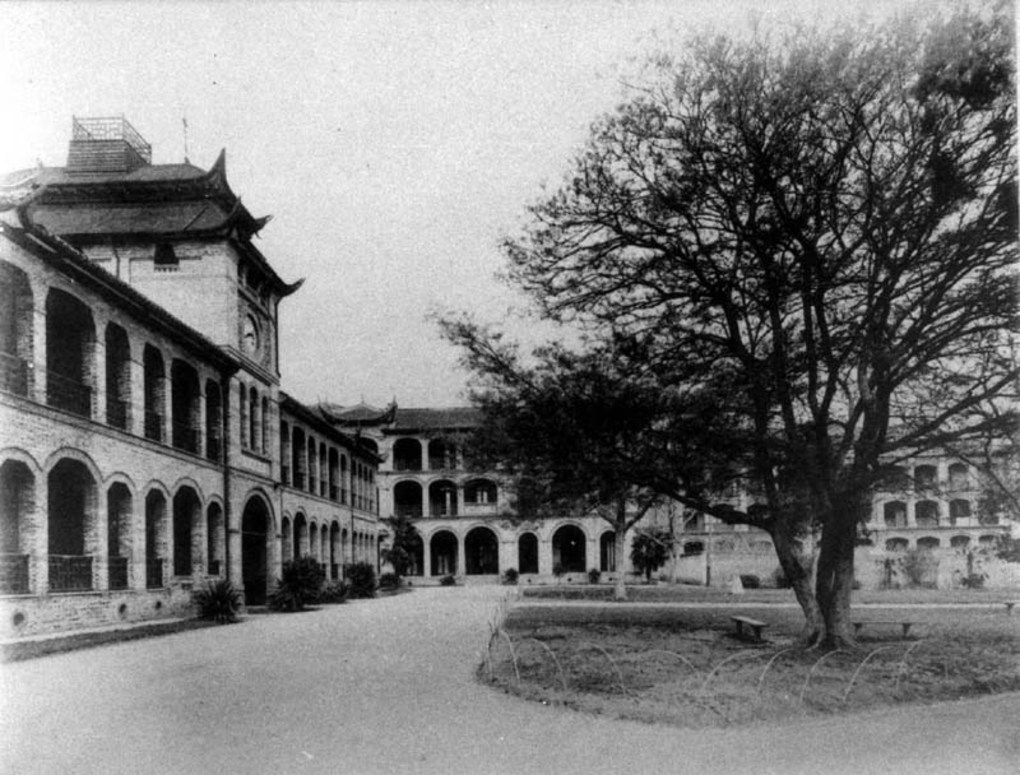
Beginning with the founding of St. John’s University in 1865, the Protestant Church established, in all, 13 Christian universities in regions of mainland China, making a great contribution to the nation’s higher education.
1949
1949
Christian Universities Closed
1949
Christian Universities Closed
However, after 1949 these institutions were forced to close, thereby frustrating Christian education.
1950
1950
Proposal for a University in Taiwan
1950
Proposal for a University in Taiwan
The following year, a group of enthusiastic Chinese educators proposed to the United Board for Christian Colleges in China to foster the spirit of Chinese youth by establishing an ideal university in Taiwan, that would both continue the work of Christian education in China and inherit the grand tradition of the 13 mainland universities.
1952
1952
Decision to Establish a University
1952
Decision to Establish a University
In 1952, the Board’s secretary, Dr. William P. Fenn, made a trip to Taiwan to investigate the possibility. He decided to establish a university that would meet Taiwan’s needs and also maintain the highest academic standards.
1953
1953
Preparatory Office Established
1953
Preparatory Office Established
In June of 1953, the Board sent Dr. Thomas W. Graham of Oberlin College, Ohio representing the organization, together with Dr. Fenn to set up a preparatory office and board to oversee the establishment of the school. They appointed Dr. Li-wu Hang to chair both the office and board. After careful assessment, Ta-tu Hill, west to Taichung City, was chosen as the site of the campus. The school was named Tunghai University meaning Eastern Sea to China.
1953
1953
Aims and Purposes Published
1953
Aims and Purposes Published
On November 10, 1953, the Board published “The Aims and Purposes of Tunghai University.” This included discussions of: the creation of an institution devoted to the free search for truth; the philosophy that admission requirements should recognize character and purpose as well as great academic promise placing emphasis on quality over quantity, as well as collective living and academic goals; the promotion of a student work program, in addition to the academic curriculum, in order to train the whole person; the free exercise of faith in order to foster the spirit of democracy and freedom; respect for China’s history and cultural traditions, as well as the duty to engage in East-West cultural dialogue; and most importantly, that all these educational ideals be expressed and cultivated throughout Taiwanese society and then spread to every corner of the globe.
1953
1953
Mr. Beauson Tseng Appointed as the First President; Colleges of Arts and Science Established
1953
Mr. Beauson Tseng Appointed as the First President; Colleges of Arts and Science Established
After the groundbreaking ceremony, the Board officially began taking over the campus and commissioned Mr. I. M. Pei, Mr. C. K. Chen, and Mr. Chao-kang Chang to design the campus and initiate construction. At the same time, it was decided to first establish the College of Arts and the College of Science. The College of Arts included the Departments of Chinese Literature, Foreign Languages and Literature, and History. The College of Science included the Departments of Physics, Chemistry, Biology, and Chemical Engineering. Mr. Beauson Tseng was appointed as the university’s first president.
1955
1955
University Founded
1955
University Founded
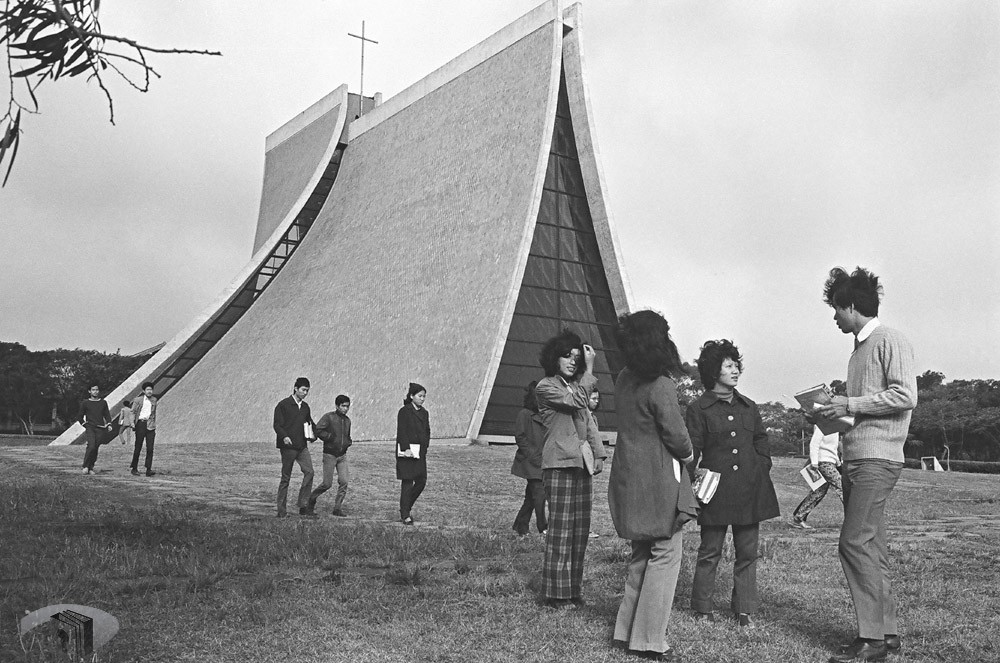
In July of 1955, an independent exam was offered for admittance to the first term, and 200 students were accepted. On November 2, opening ceremonies for the University were held, and this day was made Founder’s Day. Since the time of its founding, Tunghai has had a highly creative and experimental spirit, offering innovations such as its Student Labor Program, general education, open library stacks, and a student honor code, all of which were never before seen in the history of Chinese education.
1958
1958
Second Presidency and Establishment of the College of Engineering
1958
Second Presidency and Establishment of the College of Engineering
In 1958, Dr. Teh-yao Wu took over as the second President of the University. During his tenure, in order to meet the needs of Taiwan’s rapid industrialization, he added a third college to the University; the College of Engineering. Its Department of Industrial Engineering was the first in Taiwan to train people in the disciplines of industrial administration and production specialization.
1972
1972
Dr. Ming-shan Hsieh Becomes the Third President and Establishes the Experimental Farm
1972
Dr. Ming-shan Hsieh Becomes the Third President and Establishes the Experimental Farm
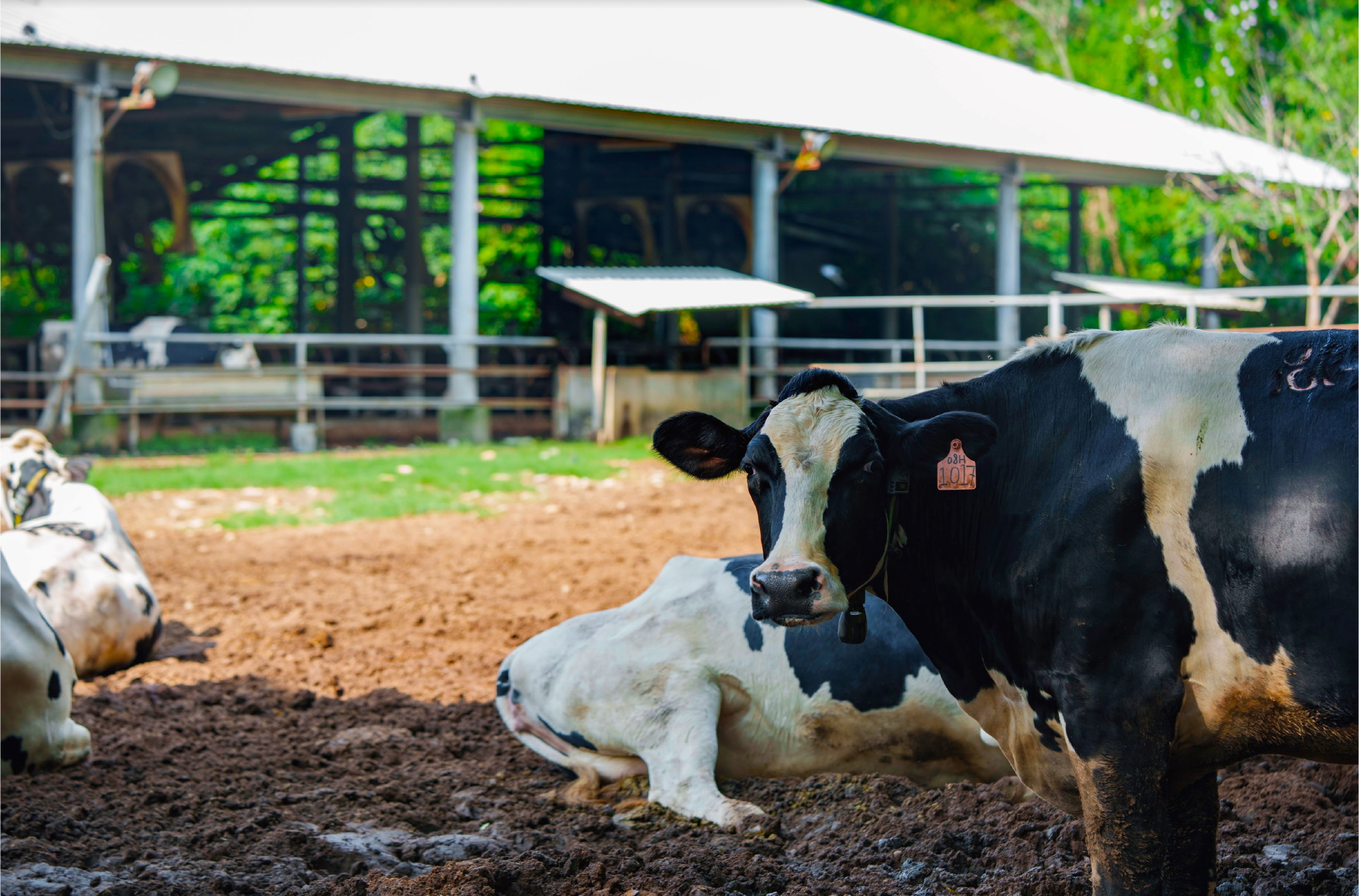
In 1972, when Dr. Ming-shan Hsieh took over as third President of the University, he continued with the original aims of the founders and began to expand admissions by establishing the Night School. The following year, he created the Experimental Farm, a step which began to increase the self-sufficiency of the university.
1976
1976
College of Business Established
1976
College of Business Established
In 1976, the College of Business was established. At this point the university had four colleges, three graduate programs, and 18 undergraduate departments.
1978
1978
Dr. Ko-wang Mei Appointed as the Fourth President
1978
Dr. Ko-wang Mei Appointed as the Fourth President
Dr. Ko-wang Mei became the fourth President of the school in 1978. He worked with great energy for closer ties between the University and society, as well as to establish the Extension Education Program, strengthen teacher qualifications, and expand the school’s international relations.
1980
1980
Colleges of Agriculture and Law Added
1980
Colleges of Agriculture and Law Added
In 1980, when the colleges of Agriculture and Law were added, the number of graduate programs, undergraduate departments, and students had all gradually increased.
1982
1982
College of Law Established
1982
College of Law Established
In 1982, the College of Law was established.
1992
1992
Dr. Ta-nien Ruan Becomes the Fifth President
1992
Dr. Ta-nien Ruan Becomes the Fifth President
Dr. Ta-nien Ruan was named the fifth President of the University in 1992, and maintained the course of administrative development.
1993
1993
College of Social Sciences
1993
College of Social Sciences
In 1993, the College of Law was renamed the College of Social Sciences.
1995
1995
Dr. Kang-Pei Wang Becomes the Sixth President
1995
Dr. Kang-Pei Wang Becomes the Sixth President
In 1995, Dr. Kang-Pei Wang became the sixth President. Under his leadership, Tunghai Affiliated High School was added and major infrastructure improvements were made to the campus including the New Student Dormitory Complex, the Science Technology Building, the Humanities Building, and the General Sciences Building.
2004
2004
Dr. Haydn H.D. Chen Becomes the Seventh President
2004
Dr. Haydn H.D. Chen Becomes the Seventh President
Dr. Haydn H.D. Chen took over as the seventh president in 2004 and continued to develop the Second Teaching Area. The missions for his administration are: 1. To develop Tunghai University into an excellent education institution; 2. To take a balanced approach by walking on two legs: teaching and research; 3. To contribute to the larger community and society through professional resources and consulting services; and 4. To assist in the development of Taiwan’s culture, economy, and society. In addition to his stated missions, Dr. Chen continued to propagate the spirit of Christianity at Tunghai University and to elevate three core facets: education, research, and service. He emphasized holistic education in order to cultivate "ideal graduates." These ideal graduates are competent professionals with high moral and ethical standards. They possess language proficiency, computer literacy, and strong interpersonal communication skills. They are well versed in technical expertise as well as the arts and humanities. With critical thinking and independent judgment, they are prepared to enter an international and culturally diverse workplace while undertaking broad responsibilities within their communities.
2012
2012
Professor Fang-Bo Yeh Appointed as Interim President
2012
Professor Fang-Bo Yeh Appointed as Interim President
August 2012, Dr. Fang-Bo Yeh was installed as interim president of the University.
2013
2013
Dr. Ming-Jer Tang Becomes the Eighth President
2013
Dr. Ming-Jer Tang Becomes the Eighth President
In 2013, Dr. Ming-Jer Tang assumed the position of the eighth President of the university. He values that professionalism and liberal arts education should be equally developed so as to cultivate students’ creativity, sense of globalization, and interdisciplinary learning ability. The education at Tunghai is student-centered, and all learning opportunities are open to the faculty and staff. President Tang holds a belief that it is essential for the University to foster students to be able to explore themselves, to have critical thinking ability and to be able to innovate. The goal is to establish a unique and outstanding Liberal Arts environment and bring a renaissance to Tunghai.
2014
2014
College of International Studies Established
2014
College of International Studies Established
On August 1, 2014, the College of International Studies was established as the ninth college of the university.
2015
2015
Dr. Cheng-Tung Lin Appointed as Interim President
2015
Dr. Cheng-Tung Lin Appointed as Interim President
In June 2015, Dr. Cheng-Tung Lin was installed as interim president of the University.
2016
2016
Dr. Mao-Jiun J. Wang Becomes the Ninth President
2016
Dr. Mao-Jiun J. Wang Becomes the Ninth President
In 2016, Dr. Mao-Jiun J. Wang assumed the position of the ninth President of the university. He is an alumnus of THU Department of Chemistry. President Wang wants to build on the Tunghai spirit and the school’s founding mission by helping the school become a leading and highly creative institution. Tunghai has departments covering so many fields that Dr. Wang hopes to encourage interdisciplinary studies and bring together the aesthetic sensibilities of liberal arts courses with cutting-edge knowledge from the fields of science and technology.
2022
2022
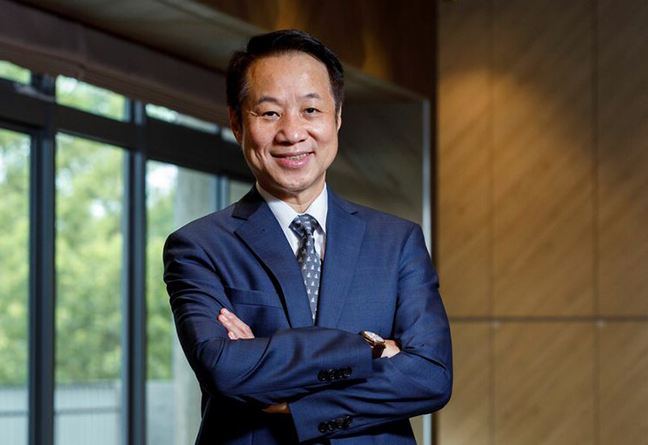
Dr. Kuo-En Chang Becomes the Tenth President
2022
Dr. Kuo-En Chang Becomes the Tenth President
In 2022, Dr. Kuo-En Chang assumed the position of the tenth President of the university. President Chang has been involved in education for more than 30 years. In education field, it is important to establish a meaningful learning environment in order to enable more students to get enlightenment in university education. More than 20 years ago President Chang has laid the idea of “Flipping Education” – the concept of this is to create a meaningful environment for the students.
Tunghai University

Facebook

Instagram

YouTube

Wikipedia